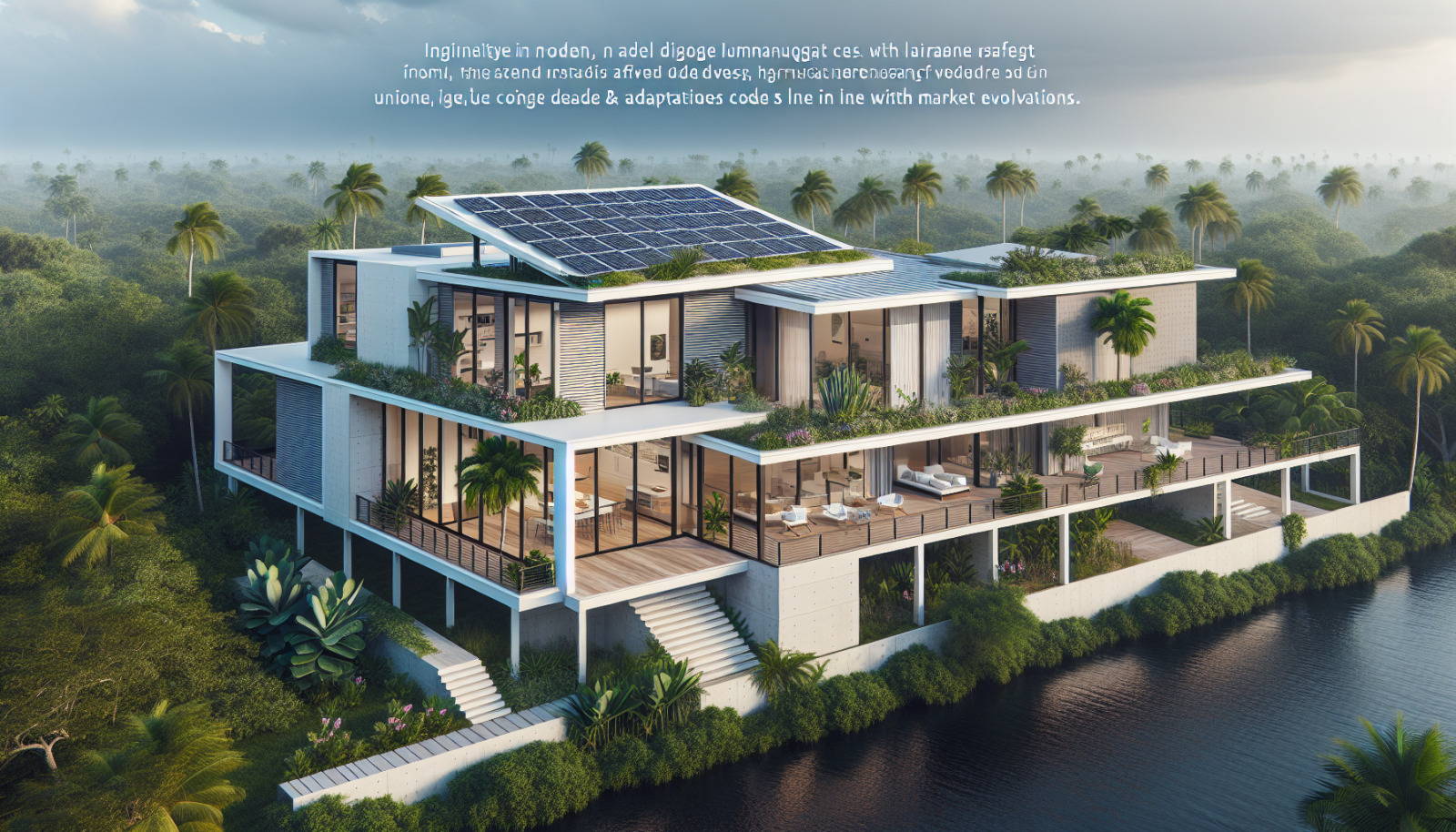
Plantation, Florida blends mature tree-lined neighborhoods, family-friendly parks, and convenient access to I‑595, University Drive, and Broward Boulevard. It’s a city where classic mid-century homes in Plantation Park and Plantation Gardens sit near larger lots in Plantation Acres, waterfront properties in Plantation Isles, and golf course communities around Jacaranda and Lago Mar. If you’re planning to renovate in this diverse market, you want upgrades that fit South Florida’s climate, respect local permitting rules, and deliver strong resale value. As a local real estate professional with John Michael Quinn | RE/MAX Experience, I help buyers and sellers every day navigate which improvements truly move the needle in Plantation. Below are practical, locally tuned home renovation tips to maximize comfort, safety, and ROI.
Why Renovate in Plantation Now
Plantation’s housing stock ranges from 1960s ranches to newer construction in Westport and Central Park neighborhoods. Many homes are ripe for updates that:
- Increase hurricane resilience with HVHZ-compliant windows, doors, and roofs
- Improve energy efficiency during long, hot summers
- Modernize floor plans and finishes for today’s buyers
- Enhance outdoor living spaces to take advantage of South Florida weather
Well-executed updates can help your property stand out against nearby inventory in Sunrise, Davie, and Fort Lauderdale, while reflecting the serene, leafy character that draws residents to Plantation in the first place.
Permits, Codes, and Inspections: Plantation’s Essentials
Renovations in Plantation fall under the Florida Building Code with High Velocity Hurricane Zone (HVHZ) requirements for Broward County. Here’s what local homeowners should expect:
- Permits are typically required for roofing, impact windows and doors, structural changes, new electrical circuits, HVAC replacements, plumbing alterations, screen enclosures, pools, and additions. Cosmetic work like painting or replacing cabinets (without moving plumbing/electrical) often does not require a permit.
- Impact protection must carry Florida Product Approval or Miami‑Dade Notice of Acceptance, meeting HVHZ standards. This applies to windows, exterior doors, garage doors, and skylights.
- Final inspections and permit close-outs matter. Open or expired permits can derail a sale or delay closing. If you have older, unpermitted improvements, address them early in your renovation plan.
- Work hours, dumpster placement, and noise are regulated by city ordinance; and many Plantation HOAs (e.g., in Jacaranda Lakes, Bridgewater, and Fountain Spring) have their own architectural approval processes, color palettes, fence and roof rules, and landscaping standards.
Pro tip: Before you demo, pull a quick record search on your address and organize a simple timeline for submittals and inspections. If you’re unsure where to start, I routinely help clients coordinate with contractors who know Plantation’s processes and keep projects on schedule.
High-ROI Projects That Resonate With Plantation Buyers
When advising clients through John Michael Quinn | RE/MAX Experience, I focus on upgrades with both livability and market appeal:
1) Impact Windows and Doors
- Benefits: Storm protection, security, quieter interiors along University Drive or near the airport flight path, and potential insurance discounts.
- ROI: Often 60–75% plus improved insurability and buyer confidence in HVHZ.
- Tip: Consider gray or clear low‑E glazing that complements lush canopies in Plantation Gardens without darkening interiors.
2) Roof Replacement with Wind Mitigation
- Benefits: Strong wind uplift resistance, better deck attachment, and secondary water barriers can lower premiums.
- Materials: Architectural shingles are common; flat sections often use modified bitumen or TPO; tile or metal for higher-end homes in Plantation Acres and custom estates.
- ROI: 55–65% direct, plus easier insurance underwriting.
3) Kitchen Refreshes That Fit South Florida Style
- Focus on durable, low-maintenance materials: porcelain tile or engineered quartz that resist staining and humidity.
- Layouts: Open sightlines from kitchen to family room are popular in Jacaranda-area homes; consider removing non-load-bearing walls (with proper permitting).
- Finishes: Soft, coastal-contemporary palettes—white or light oak shaker fronts, matte black or brushed brass hardware, and a statement range hood.
4) Bathroom Modernizations
- Curb‑less showers with linear drains, porcelain slabs to minimize grout, and humidity-rated exhaust fans.
- Primary bath features that sell: dual vanities, frameless shower glass, and tasteful textures like natural-look porcelain.
5) Garage Doors Rated for HVHZ
- Strengthens your home’s largest opening. Choose styles that harmonize with Plantation’s established neighborhoods, from carriage-style to sleek modern panels.
6) Outdoor Living Upgrades
- Screened patios with no-see-um mesh for summer evenings, covered pergolas, and composite decking for durability.
- Pavers in travertine or shellstone for pool decks stay cooler underfoot.
- Native landscaping—cocoplum, Simpson’s stopper, muhly grass, firebush—handles humidity and attracts pollinators while curbing water use.
Material Choices That Stand Up to South Florida
- Flooring: Porcelain tile or luxury vinyl plank with waterproof cores; avoid solid hardwood at grade due to humidity swings.
- Cabinets: Plywood boxes with moisture-resistant finishes; soft-close hardware holds up to daily use.
- Countertops: Engineered quartz for stain resistance; seal natural stones regularly if you prefer their look.
- Fixtures: Choose Marine‑grade stainless or powder‑coated finishes for exterior hardware; humidity-rated ceiling fans and lighting for patios and baths.
- Paint: High-quality exterior elastomeric or acrylic coatings; mildew-resistant interior paints in baths and kitchens.
- HVAC: Proper sizing and dehumidification are critical. SEER2 ratings of 15+ improve comfort; add smart thermostats and whole-home dehumidification if you’ve battled summer stickiness.
- Insulation: Attic R‑30+ with sealed penetrations; consider radiant barriers for additional heat rejection.
Planning, Budgeting, and Timeline Expectations in Plantation
While every home is different, here are realistic ranges I see locally:
- Impact windows/doors: Typically $60–$90 per square foot of opening installed, depending on product line and number of openings.
- Roof replacement: Shingle roofs often fall between the mid-teens to low $30Ks for mid-size homes; tile and metal cost more.
- Kitchen updates: $25K–$60K for mid-range to upscale refreshes; full gut with layout changes runs higher.
- Bathroom remodel: $12K–$35K per bath based on tile selection, plumbing moves, and glass enclosures.
- Screen enclosures/patios: Wide range from $8K for simple screens to $50K+ for hardscape, lighting, and outdoor kitchens.
Schedule work strategically:
- Roofs and exterior paint perform best in the drier months (roughly November–April).
- Order long-lead items (impact products, custom cabinetry) early to avoid delays.
- If you’re targeting the busy spring selling season, plan backward from your desired list date, accounting for inspections and punch lists.
Water, Drainage, and Termite Realities
- Drainage: Many Plantation neighborhoods use swales and canal systems. Keep grading sloped away from the home, clean gutters, and consider French drains in low spots. Altering swales may require HOA or city guidance.
- Flood zones: Much of Plantation sits in Zone X, but waterfront pockets like Plantation Isles and sections near canals may be AE. If renovating below base flood elevation, additional rules can apply; check your elevation certificate before investing in ground-level expansions.
- Termites: Both subterranean and drywood species are common in Broward County. Renovations are ideal times to treat framing and replace moisture-damaged trim. Use termite-resistant materials and keep landscaping off exterior walls.
Working With HOAs and Architectural Committees
From Jacaranda Lakes to Bridgewater and Fountain Spring, community rules may dictate roof colors, fence types, driveway pavers, and even mailbox styles. Submit architectural approval packages before pulling permits to avoid rework. I counsel clients on which design choices pass easily and which can stall for revisions—saving weeks of back-and-forth.
Financing, Insurance Credits, and Appraisals
- HELOCs and Cash‑Out Refinances: Popular for larger renovations if you have strong equity.
- PACE Financing: Available in much of Broward for eligible improvements like impact windows, roofs, and HVAC. PACE is repaid via property taxes and can transfer with the home, but it is a senior assessment. Understand terms and resale implications before committing.
- Insurance Discounts: Wind mitigation credits apply for features like impact openings, roof-to-wall attachments, and secondary water barriers. After upgrades, schedule a wind mitigation inspection to capture savings.
- Appraisals: Permitted, well‑documented improvements help appraisers support higher values. Maintain a clean binder with permits, finaled inspections, product approvals, warranties, and before/after photos.
Avoid Common Pitfalls in Plantation Renovations
- Unpermitted Work: A non-permitted addition or converted garage can derail financing, especially for buyers using traditional loans. Legalize or remove/restore before listing.
- Over-customization: Ultra-unique finishes may not resonate with the broad buyer pool that values neutral, move-in-ready homes.
- Neglecting Tree and Landscape Rules: Plantation is known for its beautiful canopy and has rules around protected trees. Removing or heavily trimming mature oaks or cypress without proper approvals can lead to fines and hurt curb appeal.
- Skipping Moisture Management: No vapor barriers behind showers, poorly sealed stucco, or unsealed pavers near thresholds can invite water intrusion in our heavy summer rains.
Room-by-Room Priorities for Plantation Homes
- Entry and Curb Appeal: HVHZ-rated front doors with sidelites, fresh stucco repair, new house numbers, and LED landscape lighting make a strong first impression along streets like Pine Island Road and Broward Boulevard corridors.
- Living Areas: If your 1970s layout feels tight, selective wall removals open spaces without losing cozy areas. Use 24”x48” porcelain tile for a spacious, clean look.
- Kitchens: Add a beverage center for entertaining after a day at Plantation Preserve Golf Course; incorporate pull-out storage and soft-close drawers.
- Primary Suite: Emphasize a serene vibe with sound-dampening features and blackout shades for cooler sleep.
- Outdoor Spaces: A ceiling fan, dimmable lighting, and cabinets rated for exterior use transform patios into year-round living rooms. In mosquito season, screened enclosures are invaluable.
Selling After Renovating? How John Michael Quinn Maximizes Results
At John Michael Quinn | RE/MAX Experience, I bring market-specific guidance that bridges construction choices and buyer psychology:
- Pre-renovation consult: I tour your Plantation home, discuss likely buyers (families targeting top schools near Central Park Elementary, commuters to Sawgrass Corporate Park, or move-up buyers seeking acreage in Plantation Acres), then prioritize upgrades with the strongest resale value.
- Vendor introductions: From impact window specialists who know HVHZ submittals to tile installers who execute large-format porcelain flawlessly, I connect clients with trusted pros who understand Plantation’s standards and keep jobs moving.
- Value-driven design: I help refine palettes, fixtures, and floor plans that photograph beautifully and resonate in neighborhoods like Jacaranda and Plantation Isles—without overspending.
- Pricing and timing: Once your project wraps, I position the home with data-backed pricing, professional staging recommendations, and a marketing plan that highlights your renovations’ permits, warranties, and energy savings.
A Local’s Checklist to Kickstart Your Project
- Define goals: Storm resilience, energy savings, marketability, or all three?
- Verify constraints: HOA rules, flood zone, tree and drainage considerations.
- Set a realistic budget and 10–15% contingency.
- Prioritize: Impact openings and roof, then kitchens/baths, then outdoor spaces.
- Choose climate-smart materials: Porcelain, quartz, moisture-resistant cabinetry.
- Plan permits and inspections early; keep every document.
- Schedule around weather patterns and product lead times.
- Capture insurance credits and update your wind mitigation report.
- Keep resale in mind: timeless finishes, neutral palettes, and quality workmanship.
Renovating in Plantation, Florida is a chance to combine style, safety, and South Florida living at its best. With the right plan—and a local guide who understands what today’s buyers expect—you can elevate your home’s value and your daily comfort.
To discuss your goals and get personalized home renovation tips in Plantation, Florida, reach out to John Michael Quinn at John Michael Quinn | RE/MAX Experience. Visit servicebeyondservice.com to learn how our “service beyond service” approach turns smart upgrades into standout sales.